Introduction
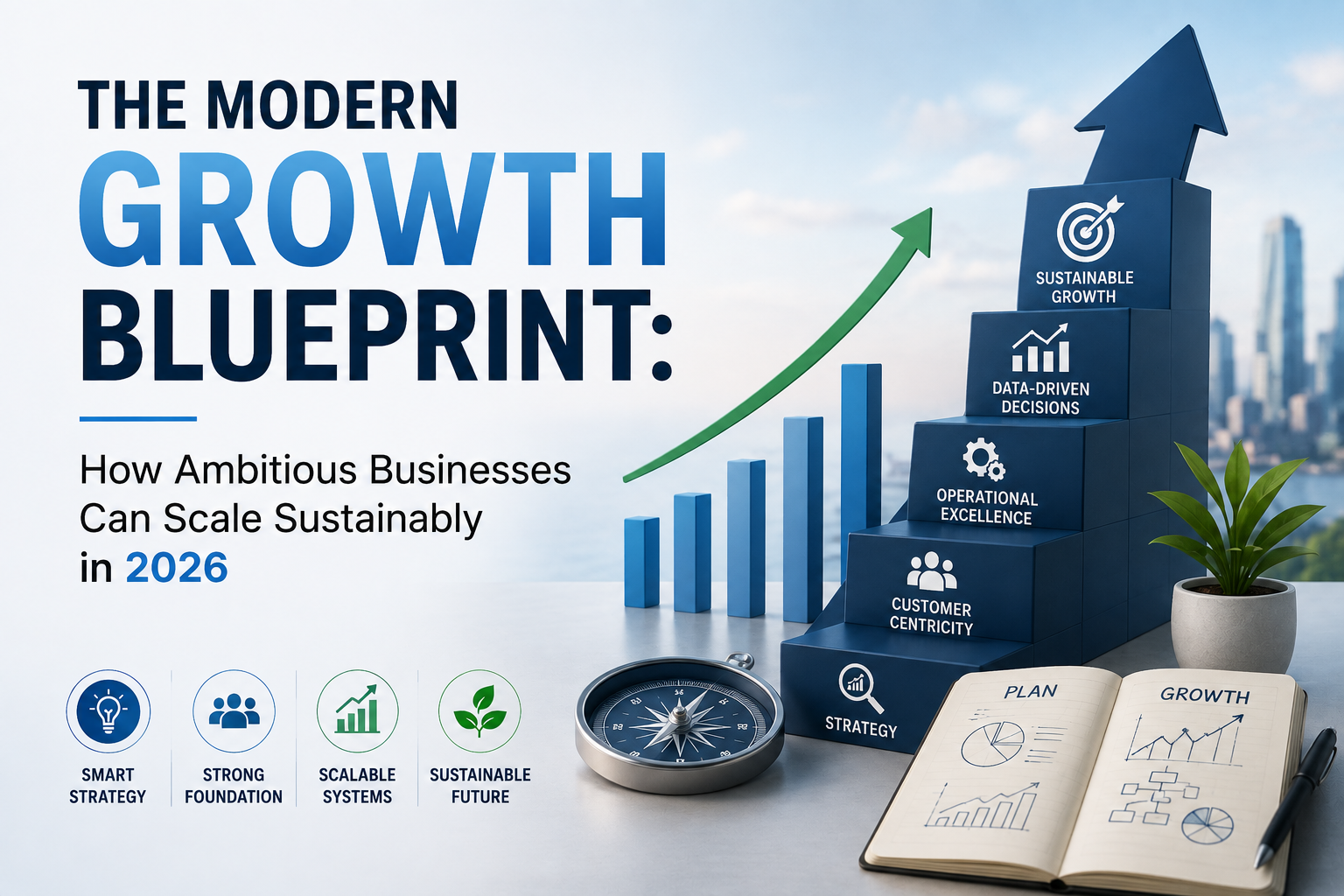
In today’s fast-paced digital ecosystem, ambition alone is rarely enough to guarantee survival, let alone market leadership. Many businesses launch with groundbreaking ideas and immense energy, only to plateau within their first few years. Why? Because they confuse random activity with structured momentum. Sustainable scaling requires more than just throwing budget at digital ads or chasing fleeting social media trends. It demands a deliberate, data-backed growth blueprint that aligns your brand positioning, marketing channels, and customer retention frameworks into a single unified engine.
At Suva GrowthX, we work closely with forward-thinking enterprises to decode what truly drives expansion. This comprehensive guide explores the core pillars required to transform your business goals into predictable, high-ROI revenue streams.
Pillar 1: Defining Your Unique Brand Positioning
Before you can scale, your market must instantly understand why you matter. In a crowded digital landscape where consumers are bombarded with thousands of brand messages daily, generic value propositions get ignored.
- Conducting a Competitor Gap Analysis: Look closely at what your top three competitors are doing—and more importantly, where they are failing their customers. Your niche lives in that gap.
- Crafting a Crystal-Clear Message: Strip away corporate jargon. Your website visitors should understand your core offering within five seconds of landing on your homepage.
- Aligning Visual and Verbal Identity: From your logo typography to your micro-copy, every touchpoint must reinforce trust, premium value, and authority.
Pillar 2: Transitioning from Traffic to Conversion Rate Optimization (CRO)
Driving thousands of visitors to your website is a hollow victory if none of them convert. Many organizations spend heavily on traffic acquisition while neglecting the user journey on their own digital properties.
- Mapping the User Journey: Identify every friction point between a visitor landing on your site and completing a high-value action (like booking a consultation or purchasing a package).
- Eliminating Cognitive Overload: Simplify your navigation, use prominent call-to-action (CTA) buttons, and ensure your forms are frictionless and easy to fill out on mobile devices.
- Leveraging Behavioral Analytics: Use heatmaps and session recordings to observe where users drop off, allowing you to make iterative, data-driven design tweaks.
Pillar 3: Building a Multi-Channel Performance Marketing Engine
Relying on a single marketing channel is one of the riskiest strategies a growing business can adopt. Algorithm changes, rising ad costs, or shifting consumer behaviors can instantly derail your revenue if your acquisition funnel isn’t diversified.
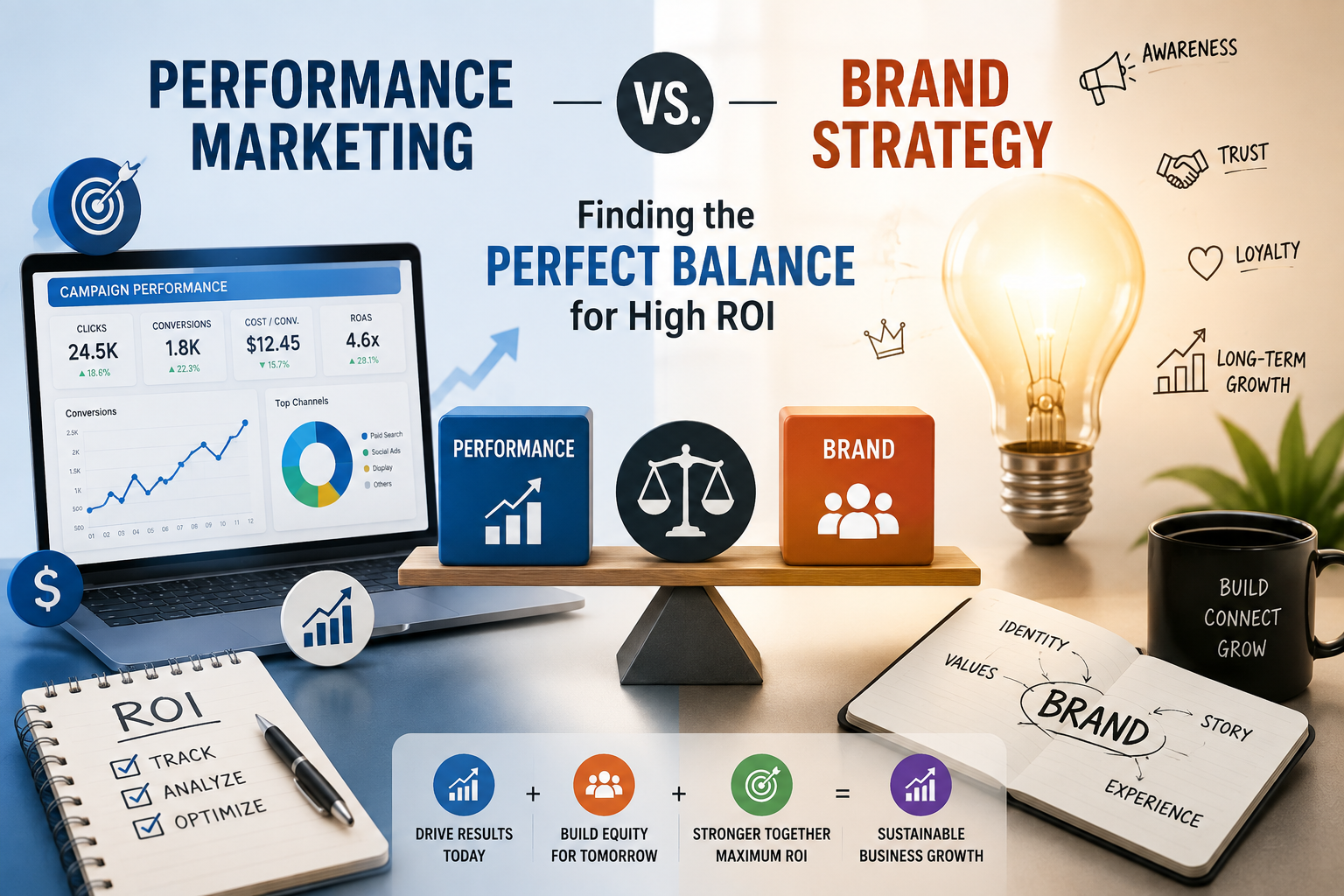
- Balancing Paid and Organic Reach: Combine short-term, high-intent performance marketing (like targeted search ads) with long-term brand equity builders (like strategic SEO and authority content).
- Tracking Return on Ad Spend (ROAS) Rigorously: Never run a campaign without clear attribution models. If a dollar spent doesn’t yield measurable data or positive returns, reallocate it immediately.
- Retargeting and Lifecycle Marketing: Most users won’t convert on their first visit. Build automated email sequences and retargeting campaigns to nurture leads through the consideration phase.
Pillar 4: Cultivating Customer Retention as a Growth Lever
Most businesses obsess over acquisition while ignoring retention—effectively trying to fill a leaking bucket. Acquiring a new customer is significantly more expensive than retaining an existing one, yet retention is frequently an afterthought.
- Post-Purchase Onboarding: Ensure your clients experience immediate value after partnering with you or purchasing your product.
- Feedback Loops and Client Voices: Actively listen to your customers through regular check-ins, reviews, and satisfaction scores. Their insights are your best product roadmap.
- Building Long-Term Partnerships: Shift your mindset from transactional sales to lifetime value (LTV) maximization. Satisfied clients become your most powerful organic advocates.
Conclusion
Scaling a business sustainably is an exercise in focus, discipline, and continuous optimization. By establishing a clear strategy, tightening your marketing funnel, and measuring everything from customer acquisition cost to long-term retention, you build a resilient enterprise ready to thrive in any market condition. Ready to turn your ambitions into measurable growth? Reach out to the experts at Suva GrowthX today to map out your custom scaling roadmap.